1. A City with Deep Roots
Foshan is a city with a history that stretches back over a thousand years. Its name dates back to the Tang Dynasty (618–907), and by the Ming and Qing dynasties (1368–1912) it was already known across China as a major commercial center. The country’s first matchstick factory and silk reeling business were established here, laying the foundation for a long tradition of enterprise and industry.
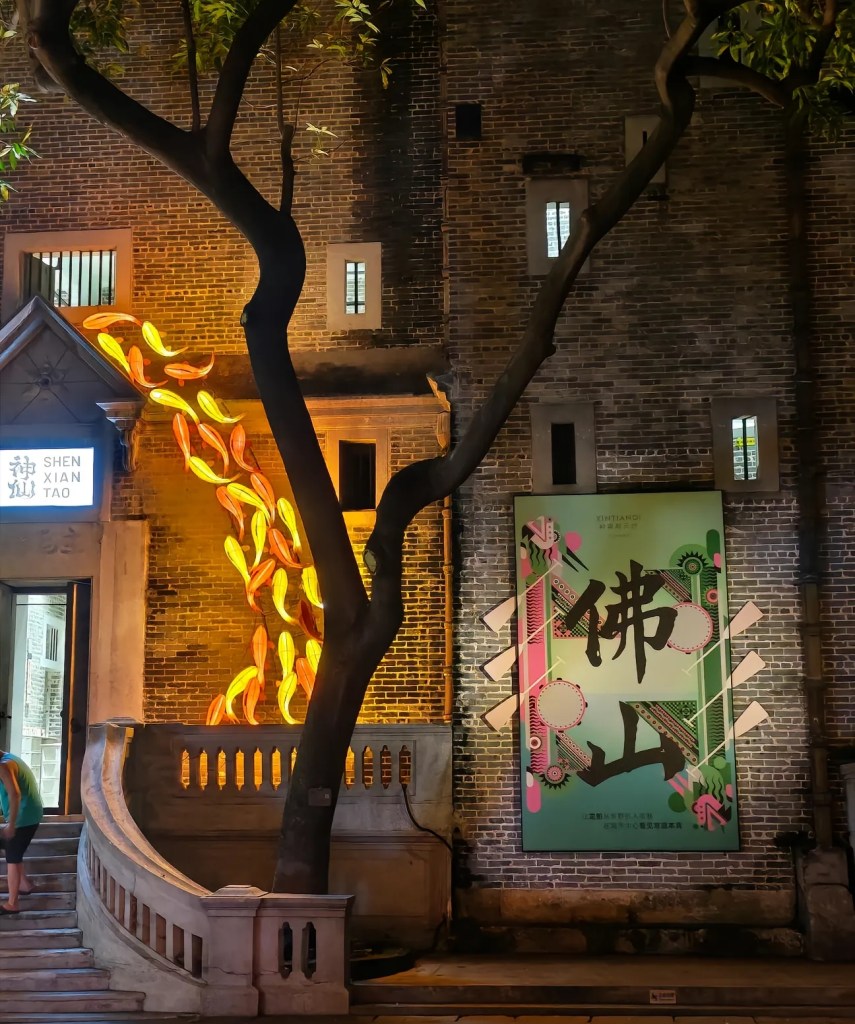
Foshan is also the birthplace of Lingnan culture, and is famous worldwide as the hometown of kung fu legends Bruce Lee, Ip Man, and Wong Fei-hung. The martial arts styles of Wing Chun, Choy Li Fut, and Hung Kuen all originated in this city.
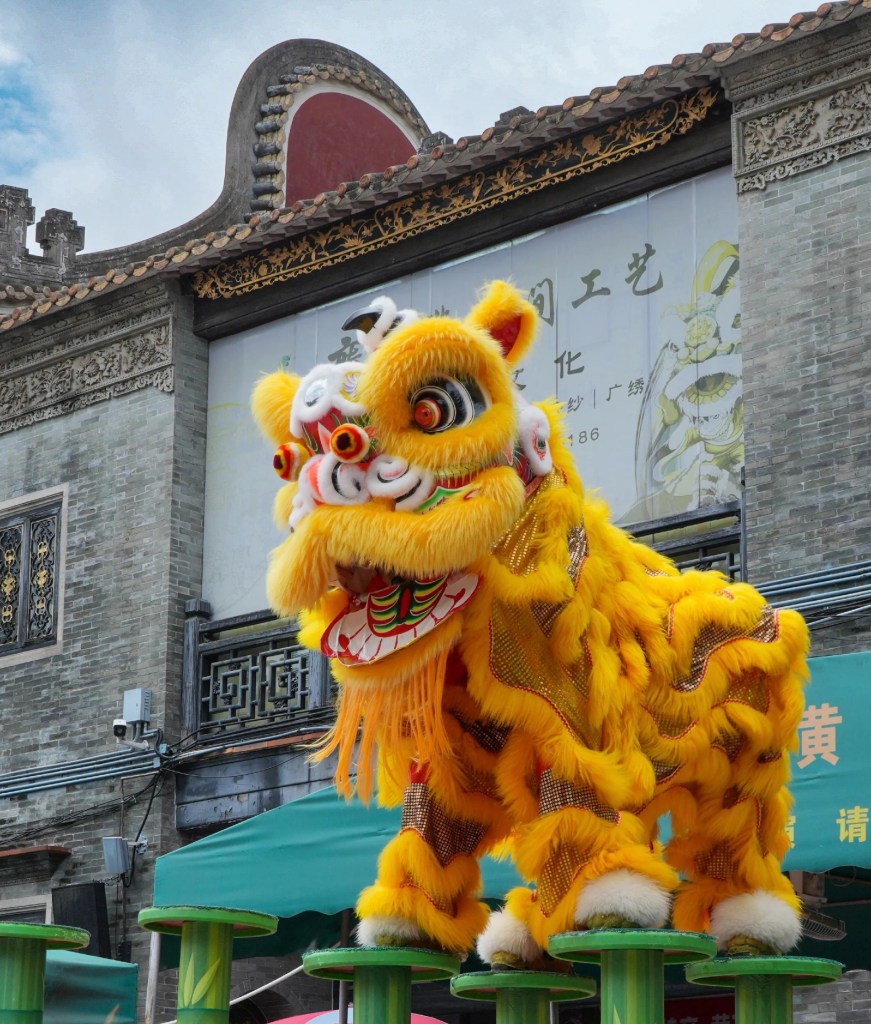
2. Located in the Heart of the Pearl River Delta
Foshan sits in the heart of the Pearl River Delta in Guangdong Province, directly west of Guangzhou. The city covers approximately 3,840 square kilometers and is made up of five districts: Chancheng, Nanhai, Shunde, Gaoming, and Sanshui.
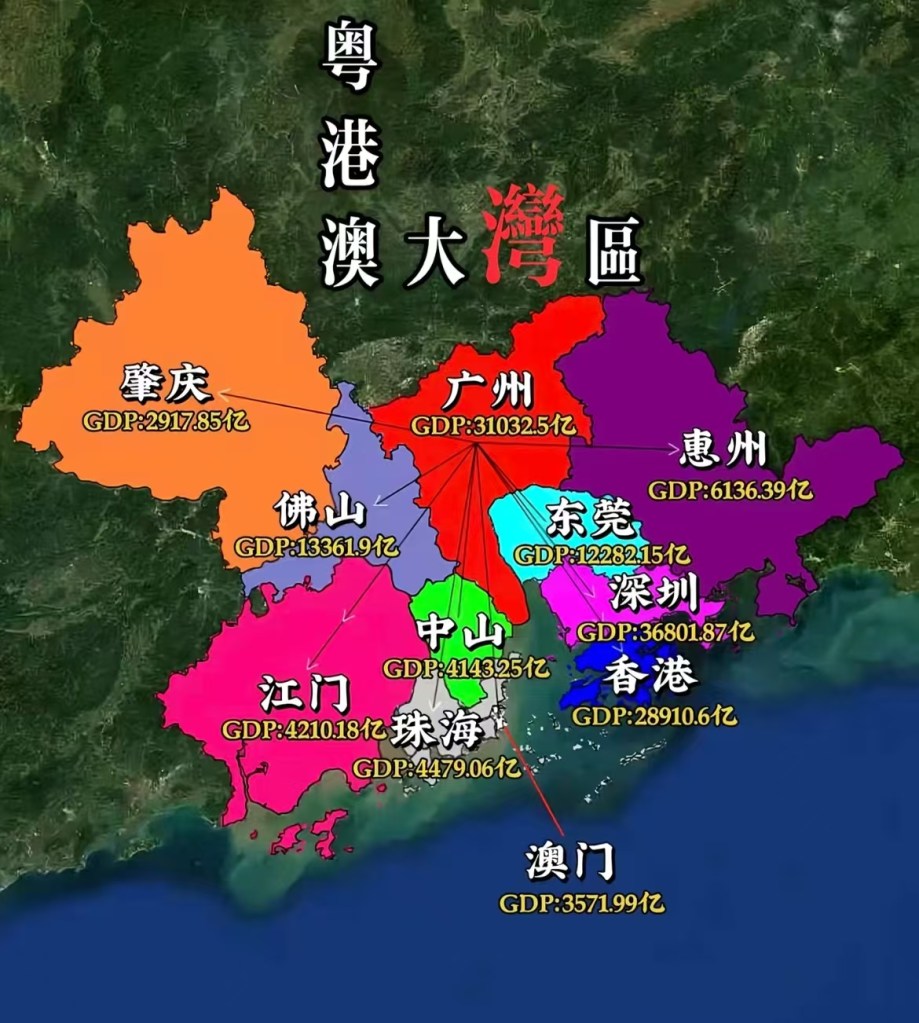
This location is a major strategic advantage. Foshan is only about a 45-minute drive from downtown Guangzhou, with easy access to Guangzhou Baiyun International Airport, Nansha Port, and the Guangzhou Railway Station. It also has convenient transport links to Hong Kong and Macao.
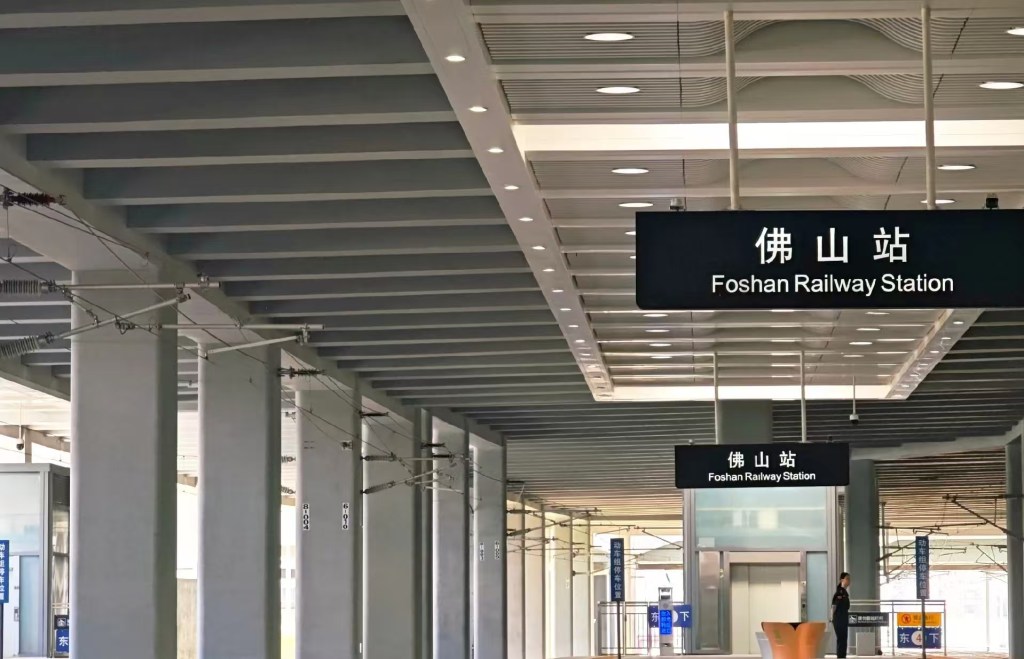
For anyone doing business in South China, Foshan is not a place you pass through — it is a place you stay.
3. A Modern Manufacturing Powerhouse
Today, Foshan is the third-largest manufacturing base in the Pearl River Delta, after Shenzhen and Guangzhou. While it was once home to many state-owned enterprises, its current economic strength lies in the private sector. Well-known brands such as Midea and Kelon are based here.
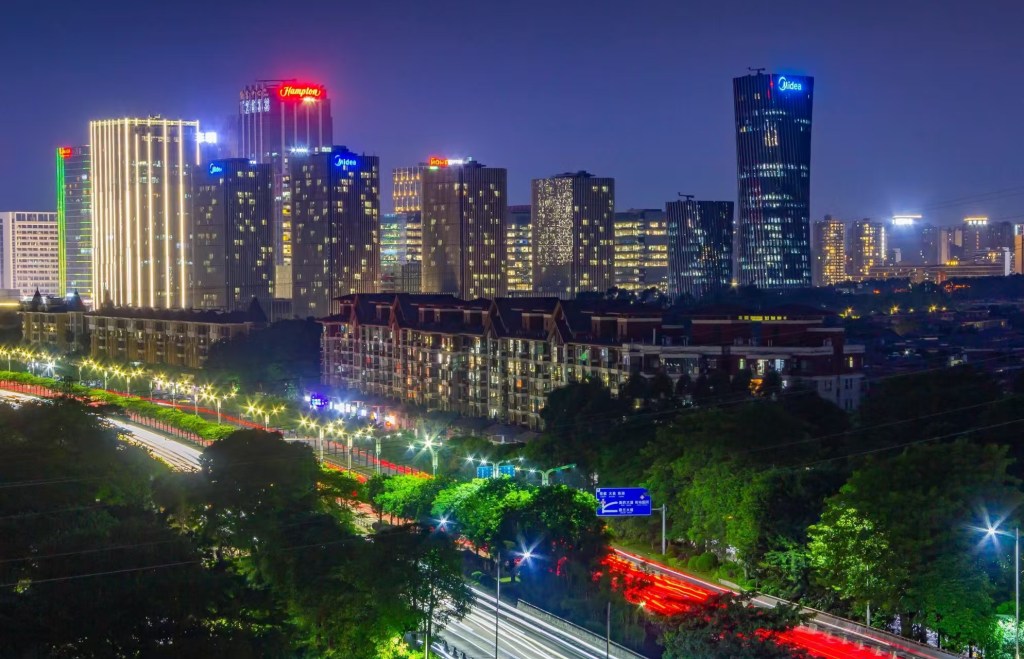
The city has developed two trillion-yuan industrial clusters in equipment manufacturing and pan-home furnishing. Foshan is globally renowned for its time-honored reputation: “Where there is a home, there are Foshan-made products.”
Its main industries include household appliances, ceramics, textiles, metal materials, and furniture. Foshan is also one of the most important commercial hubs in South China, home to 129 wholesale markets covering a total area of 5.67 million square meters
4. Lecong: The World’s Largest Furniture Trading Hub
This is where my work is based. Lecong, a town in Shunde District, is the global center of the furniture trade.
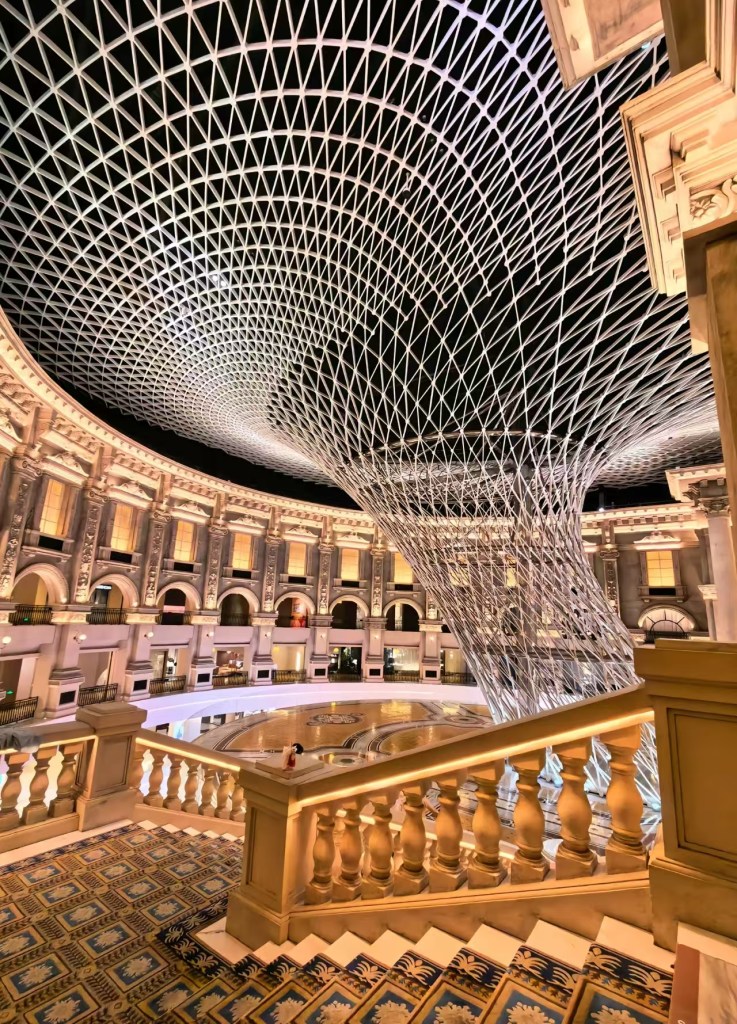
Lecong Furniture City first took shape in the 1980s as China’s earliest professional furniture market. Over three decades, it has grown into the world’s largest furniture distribution and sourcing hub.
Here are some key facts about Lecong:
- Over 180 modern furniture malls, covering a total operational area of more than 4 million square meters
- More than 10,000 furniture distributors and 3,000 manufacturers showcase over 50,000 varieties of furniture
- 99% of the world’s furniture products can be found here
- The market receives over 20,000 daily visitors, with nearly 1,000 foreign buyers living in Lecong for procurement, plus an additional 50,000 foreign buyers visiting annually
- Annual transaction volume reaches approximately 80 billion yuan, with products sold to over 100 countries and regions
- Lecong alone is home to more than 2,600 furniture manufacturing enterprises
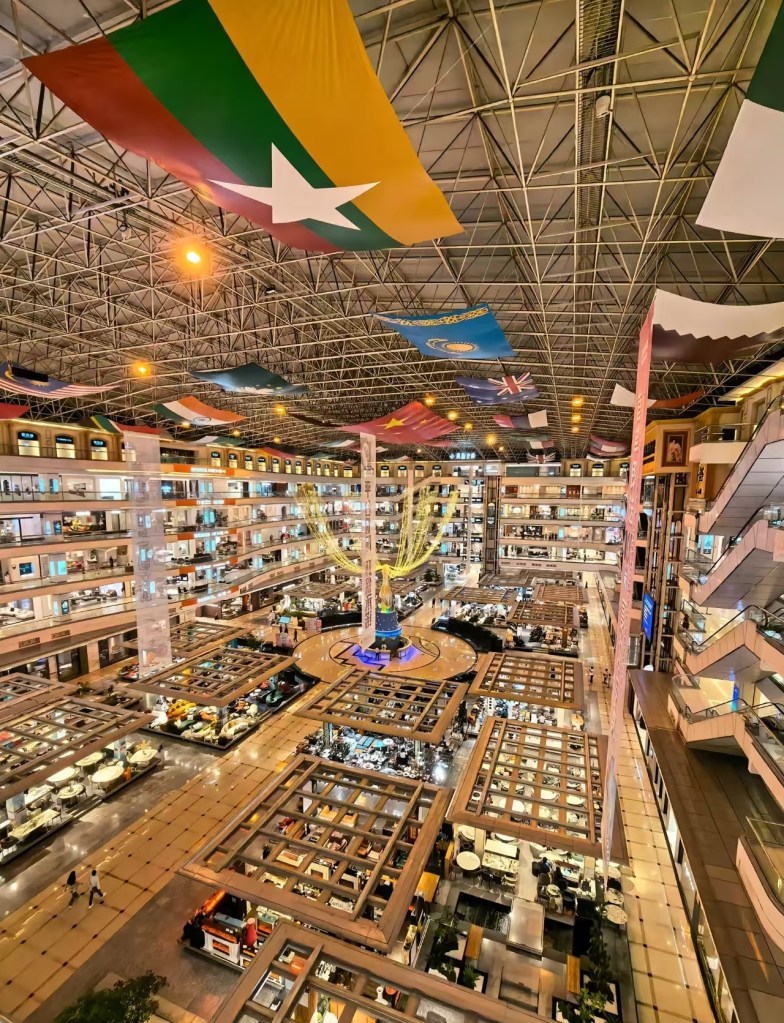
What does this mean for you? If you are looking for furniture, lighting, or home decor in China, Lecong is where the real action is. But navigating 180 malls and thousands of suppliers is not something you can do in a few days by yourself. That is where I come in.

